



5 min read
In recent years, energy leaders have been navigating a perfect storm: geopolitical instability, accelerating regulation, public scrutiny and an increasingly complex transition agenda. At the same time, trust in institutions remains fragile and attention is scarce.
In this context, how organisations communicate – how clearly they explain decisions, how consistently they show progress, and how visibly leaders step forward – has become inseparable from performance itself.
Based on our work and experience across the entire energy system, here are the 10 communication, marketing and external affairs trends I see defining effective leadership in 2026.
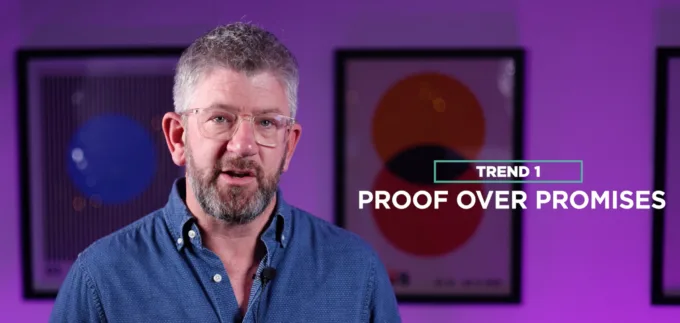
1. Proof will matter more than promises
Big commitments are no longer enough. Stakeholders now expect to see evidence – clear progress, measurable outcomes and independent validation. In energy and decarbonisation especially, leaders will win trust by showing what has changed, what has not, and why. 2026 is about demonstrating delivery, not declaring intent.
2. One strategy, multiple realities
The world is more divided than it has been in decades. Messages that resonate in one market can misfire badly in another. The strongest leaders will hold a single, coherent strategy – but adapt how it is communicated to local political, cultural and social realities. Consistency of purpose matters more than uniformity of language.
3. AI as an accelerator, not a crutch
AI is now embedded in communication, analysis and planning. But the most effective leaders are not outsourcing their voice. They are using AI to think faster, test scenarios and prepare better – while keeping judgment, clarity and authenticity firmly human. In 2026, credibility will come from leadership presence, not automated output.
4. CEOs as corporate diplomats
Energy CEOs are increasingly operating like diplomats, navigating governments, regulators and cross-border tensions. Political awareness and long-term relationship-building are now essential leadership skills. Communication in this context is not just about messaging – it is about foresight, credibility and trust at the highest levels.
5. Internal audiences move centre stage
Employees are no longer just an internal audience – they are a visible extension of reputation. When people inside an organisation understand and believe the strategy, it travels with credibility. When they don’t, no external campaign can compensate. In 2026, leaders will communicate internally with the same discipline and intent as they do externally.
6. Explaining the transition in plain language
Energy transition strategies are complex by necessity, but complexity must not become a barrier to understanding. Investors, partners and policymakers want clear answers: what is the plan, what are the trade-offs, and how will it be delivered? Leaders who can explain this simply will earn confidence quickly.
7. Less noise, more meaning
Audiences are overwhelmed. More content does not equal more impact. The most effective communicators in 2026 will reduce volume, cut jargon and focus on telling one clear, memorable story. Clarity – repeated consistently – will outperform complexity every time.
8. Trust is built before it is tested
Trust cannot be created in a crisis. It is built over time through consistency, transparency and follow-through. In 2026, trust will be treated as part of the operating model, with systems in place to spot risks early and respond quickly. Reputation will be managed long before pressure arrives.
9. Personal, human executive visibility
Generic leadership messaging is losing its impact. People want to hear from real leaders with real perspectives. In 2026, executive visibility will need to be personal, grounded and authentic. A leader’s voice, used well, has become a strategic asset.
10. Sustainability becomes the strategy
Sustainability is no longer a separate strand of the narrative. It is the narrative. The strongest organisations will show clearly how performance, growth and decarbonisation fit together. In 2026, credibility will come from telling an integrated story about where the organisation is going – and why it matters.
Conclusion
These trends all point to the same conclusion: effective communication in 2026 is not about persuasion. It is about alignment. Aligning words with actions. Aligning internal belief with external expectation. Aligning strategy with reality.
For leaders in the energy sector – where decisions can carry global, generational consequences – clarity is no longer optional. It is the foundation of trust, progress and permission to lead.
The organisations that succeed in 2026 will not be those that speak the most. They will be those that are understood, trusted and tell the best stories.